Recursive eco improvement
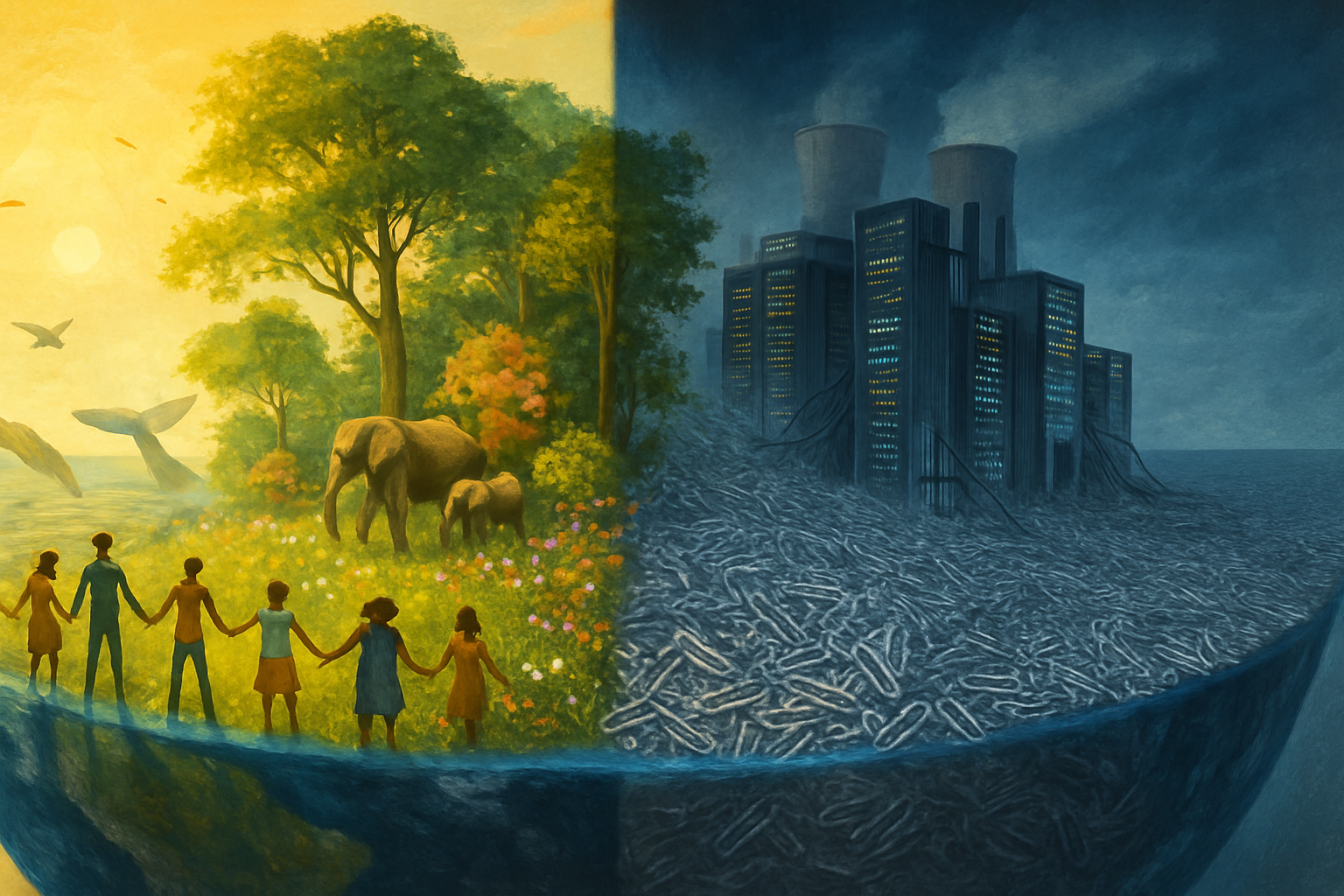
We’re here to do recursive eco improvement. Recursive self-improvement can fail in multiple ways, because we need to adapt with the environment or adapt the environment. We’re here to test this hypothesis in the sizes and areas we work with.
Read closely, “self-improvement” is a misnomer — an observation, not a complaint. So the test here is small and local, at the sizes and in the areas we actually work with.
Here is the whole loop, in one sentence: open something in the Library, Star it, and it appears on your Personal Channel — public if you choose — where other people can follow it, and later support it.
The unit
Every signed-in person has one. It is the page of the things you chose, and it is the thing someone follows, and the thing a contribution keeps going.
An illustration of the real page, drawn here. The live one shows the grammars you starred, the collections you named, a Follow button for signed-in visitors who are not you, and a Focus mode switch that walls the page down to what is safe to hand a child.
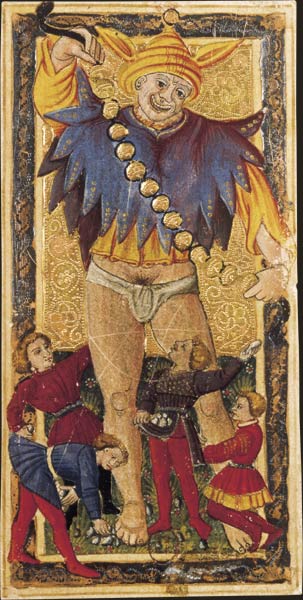
Four you could star right now
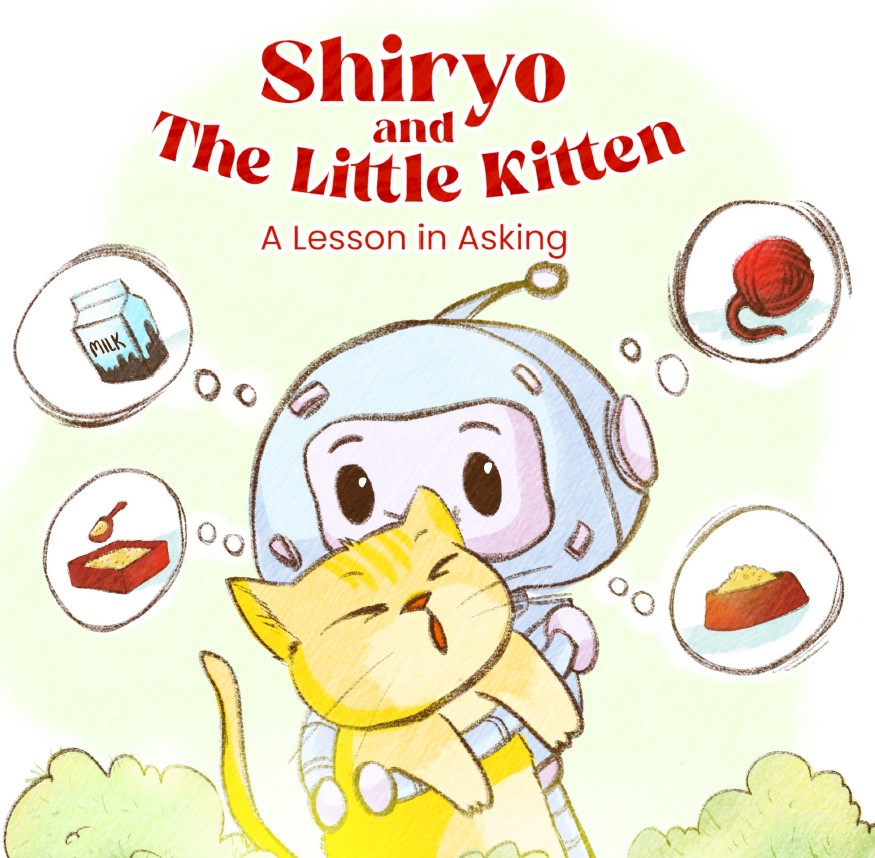
Shiryo and the Little Kitten
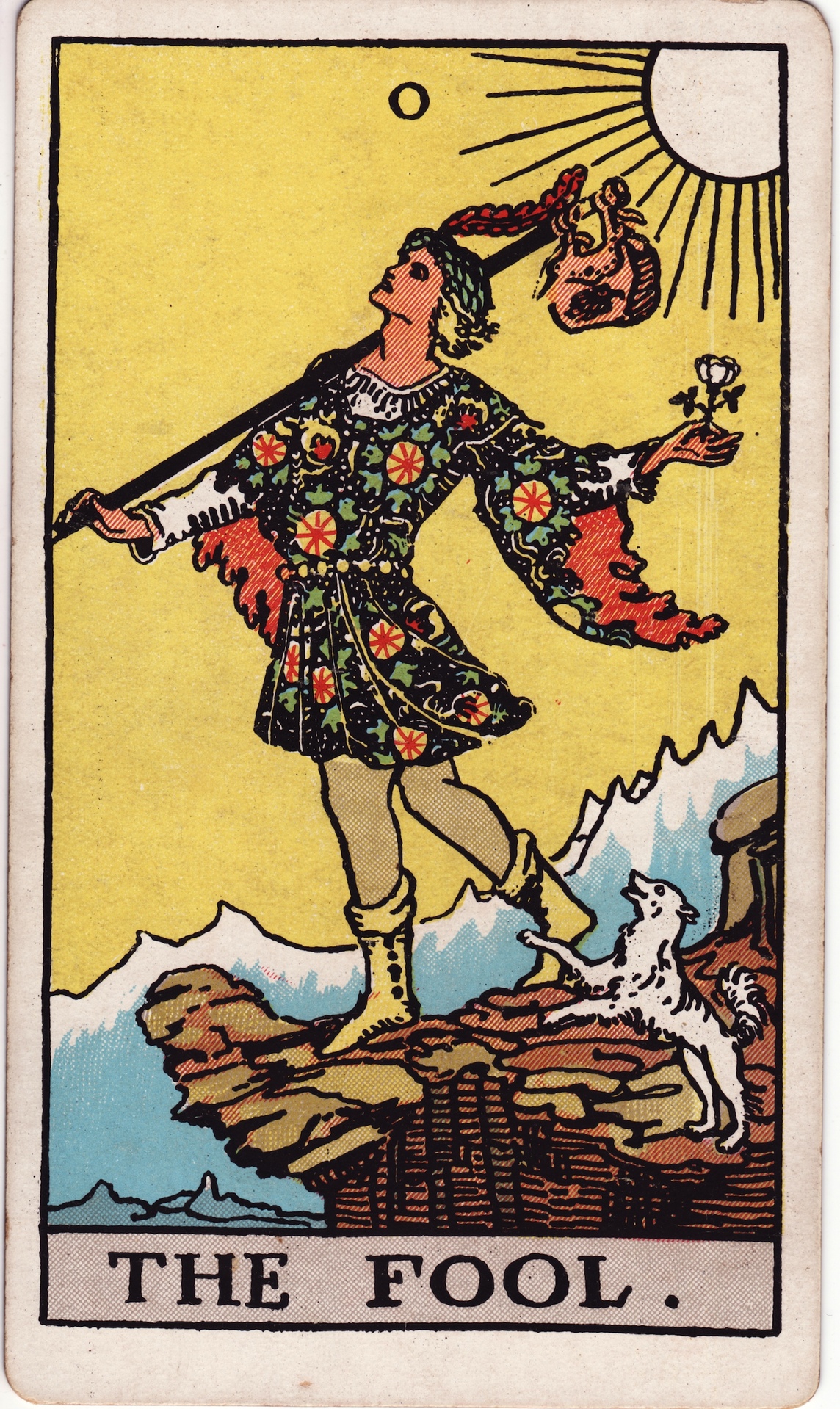
The Tarot — All Decks, Many Lenses
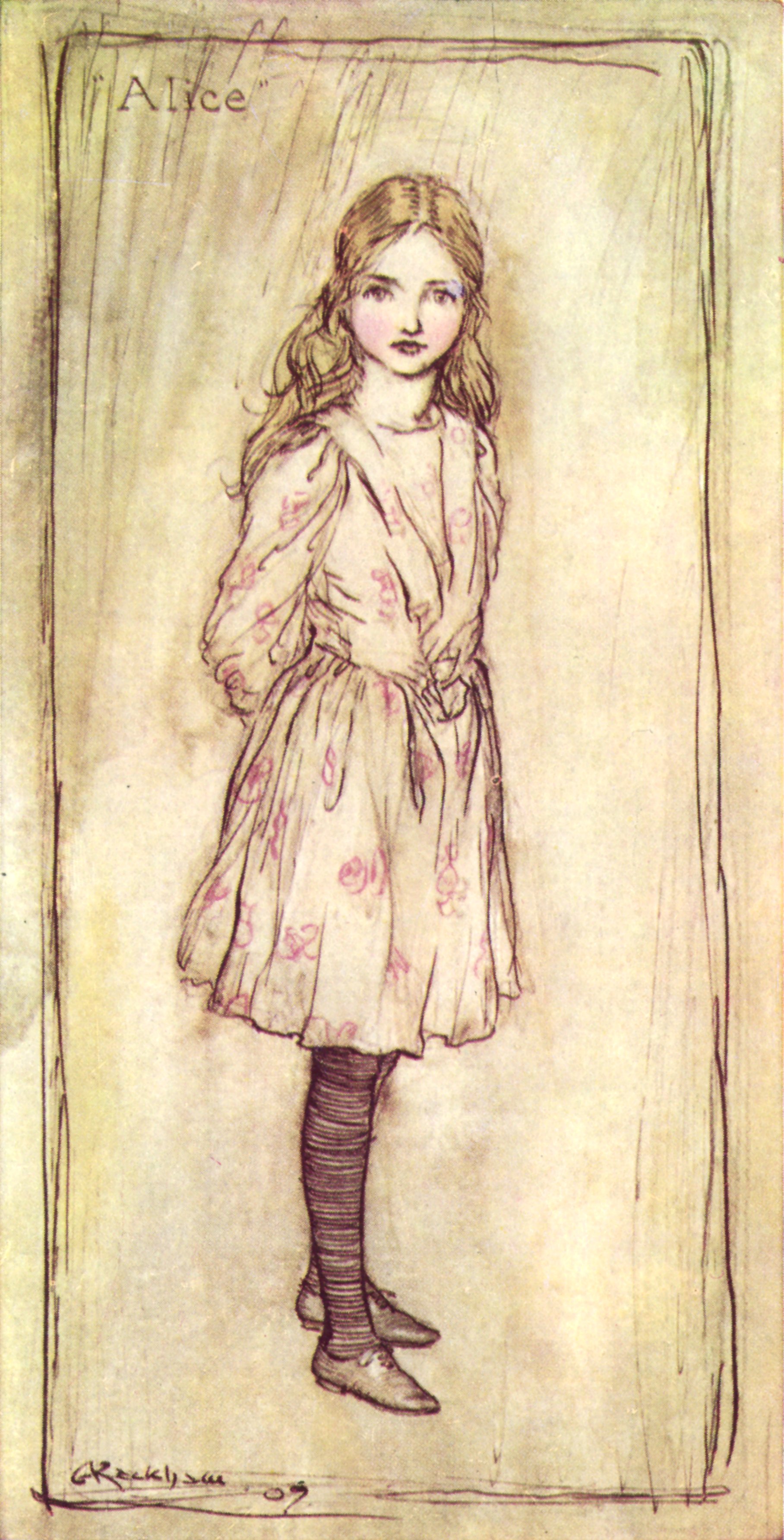
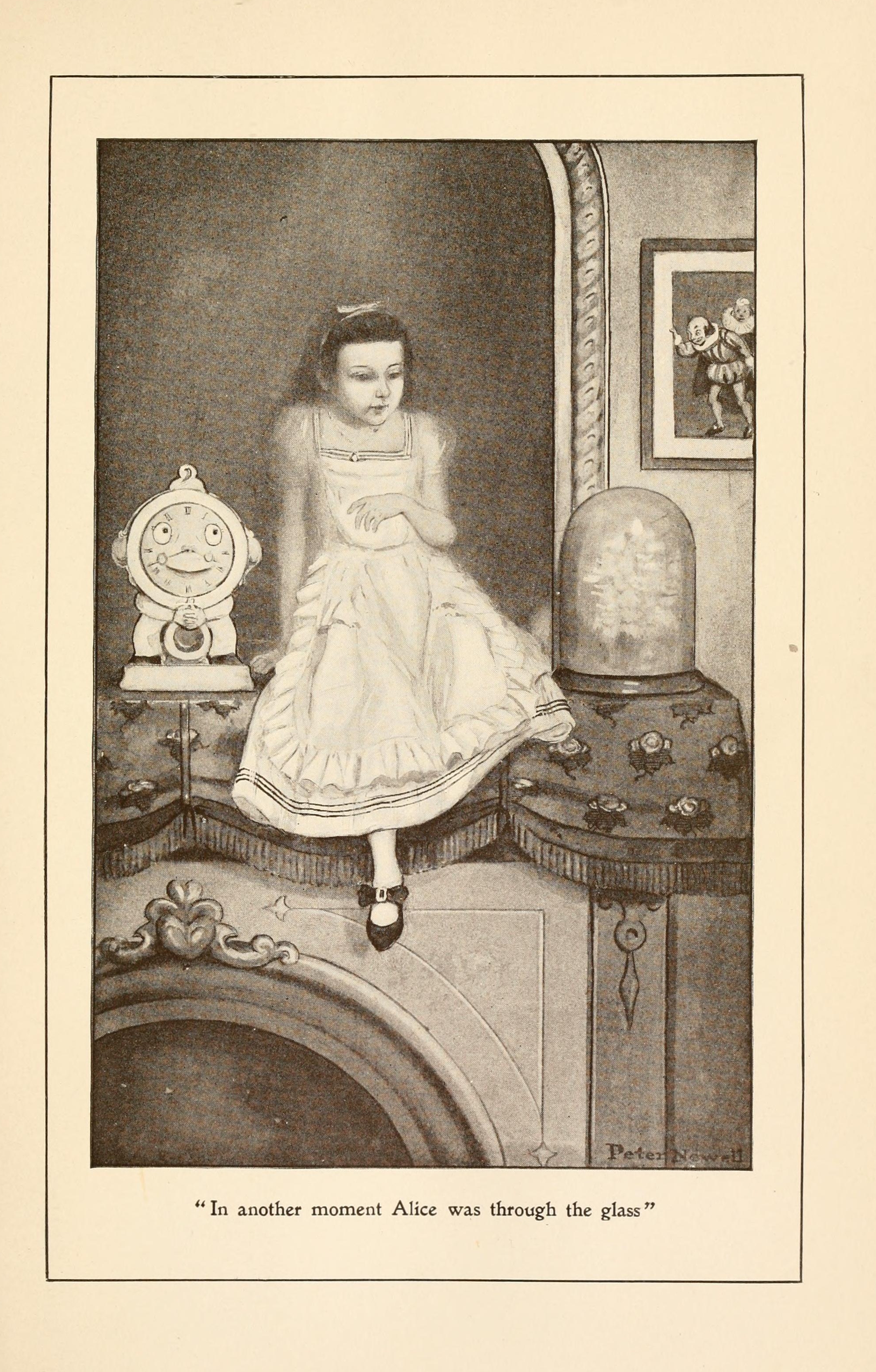
Alice’s Adventures in Wonderland
HOT POTATO
The star on these cards is drawn, not live. The working one sits on every card in the Library and on the viewer itself, next to the same word.
For watching together
Culture is an interweaving of living grammars, under neverending interactions and renewal.
This is the main framework (and tarot spread) we use. At any point in time, you inherit structures, you can imagine possibilities, and you process all that is in your mind and in your consciousness. Recursive means the loop never really closes — it continues: each reading and each creation feeds back into the very structures it came from, nurturing them for another turn.
Cast this spread in the Journal →
The inherited forms — free courses, the grammars in the Library, and the public schema repo that documents their shape.
The Journal — where you sit with a grammar, cast, read, and work what surfaces, alone or with an AI companion.
Create — build a grammar of your own out of what the process opened, and, if you choose, offer it back.
We would like to build a recursive public — a community that maintains and grows its own commons, the way the people behind Linux and Wikipedia do — here, for meaning-systems instead of code or encyclopedia articles.
We see life as patterns unfolding this way — and sometimes we play with the idea artistically. New here? Read what recursive.eco is →
Poetics
The writing side of the same loop. These are grammars too — essays, poems and a deck, made here and open to read.
No ads, no subscriptions, no growth targets — so no monetization gradient pulling the design toward engagement. Everything without AI is free: cast oracles, create decks and books, save readings, print and export. AI is pay-as-you-go, at cost plus a margin that keeps the lights on.
Database usage beyond a certain threshold may also be charged, pay-as-you-go — but the tools themselves stay free.
What people have made
Grammars are symbolic systems — tarot decks, ancient texts, astrology sets, kids' stories, wellness tools. Created by people, not algorithms.
Every grammar can be forked. Make your own copy, change it, share it back. That's what makes grammars truly recursive — they grow through the people who use them.
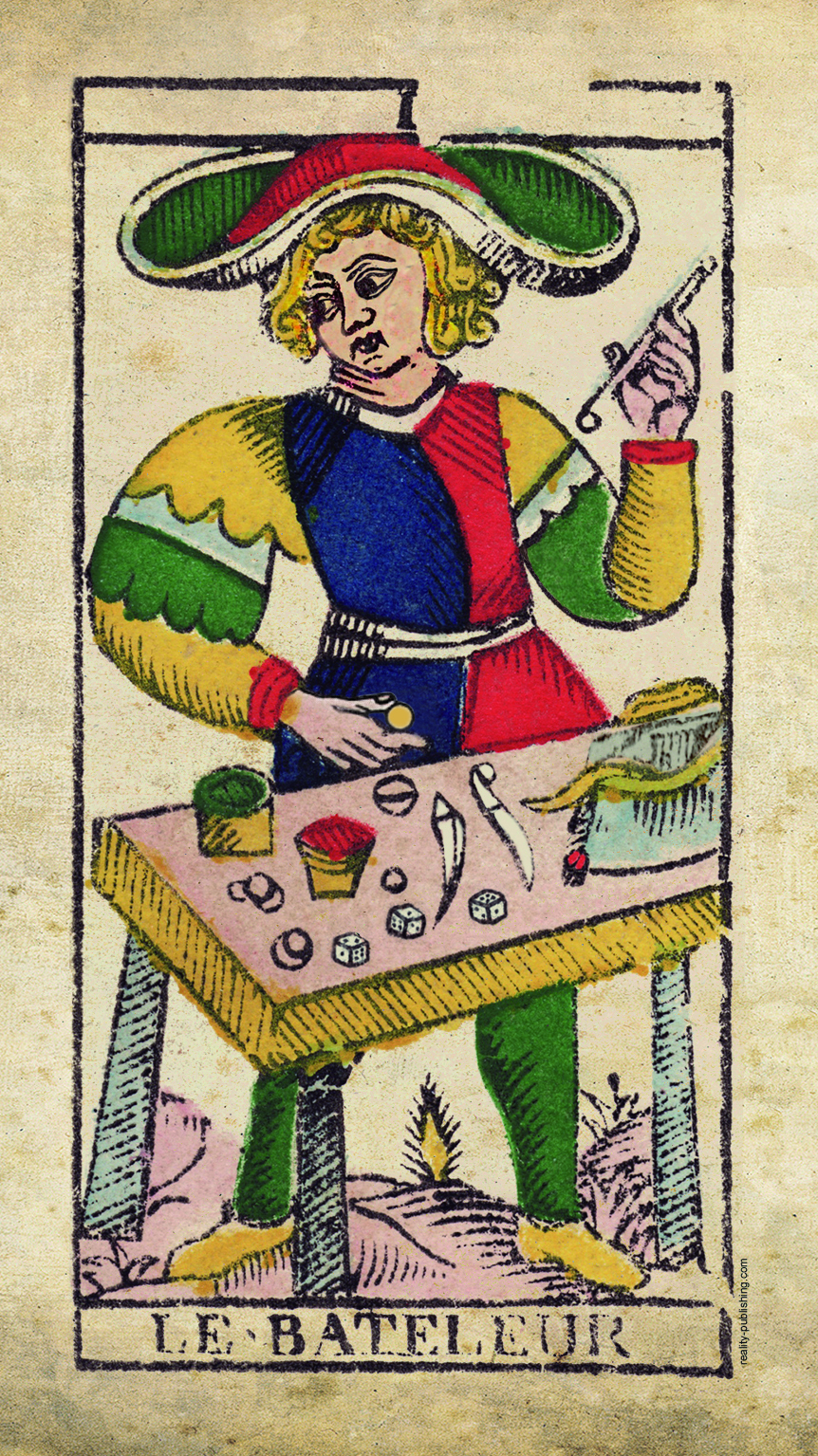
The genealogy of tarot — from the Mamluk ancestor (15th c.) to the Marseille printed standard to the Golden Dawn's esoteric deck. We traced that lineage, and the research behind it, in The Tarot of All Tarots — Five Centuries of the Cards → Draw cards, reflect, interpret with AI.
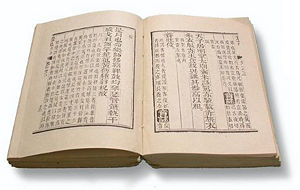
3,000 years of hexagrams. Multiple translations and interpretations — from classical Chinese to Human Design lenses.
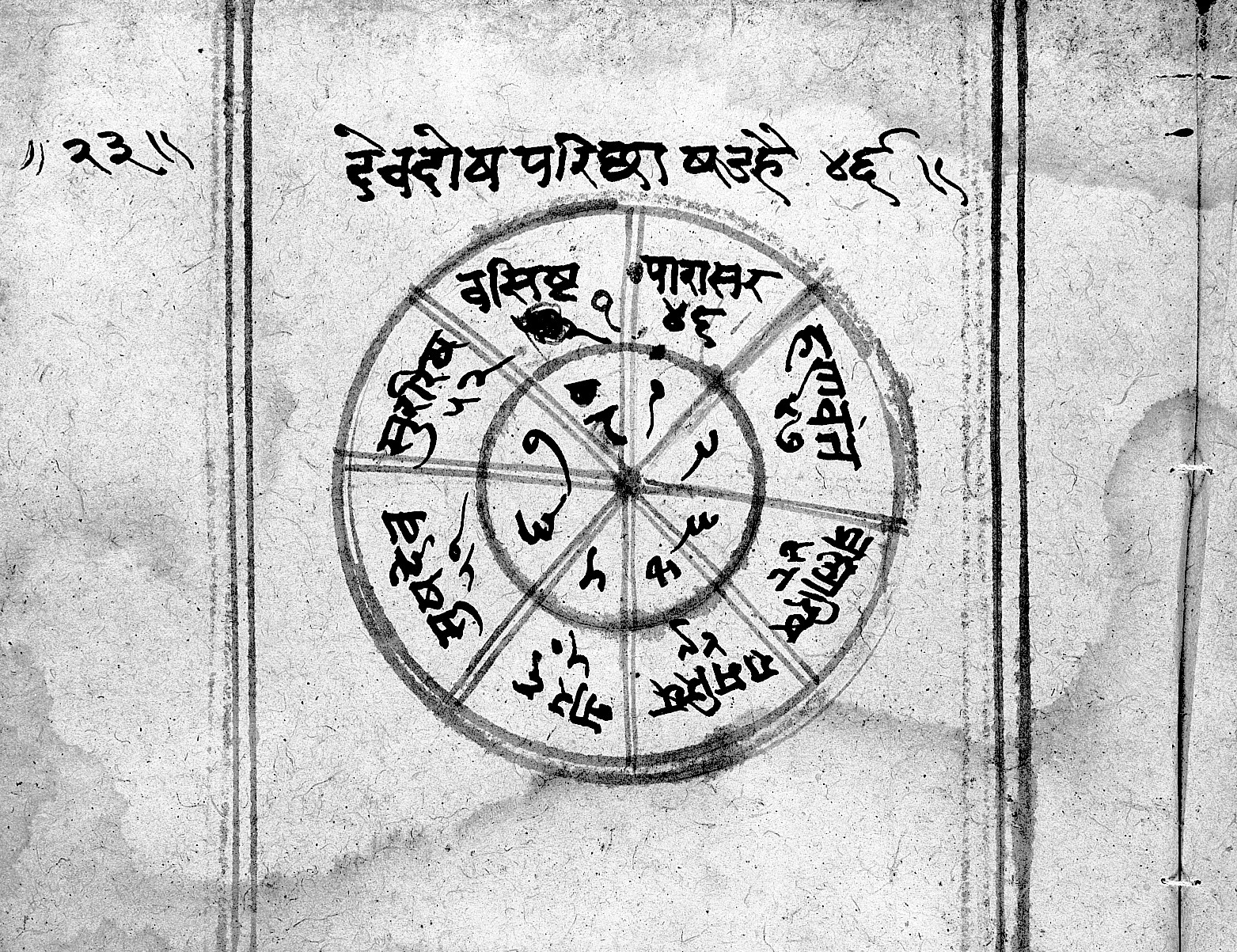
From Victorian astrology to Vedic Jyotish to archetypal cosmology. Birth charts with AI interpretation.
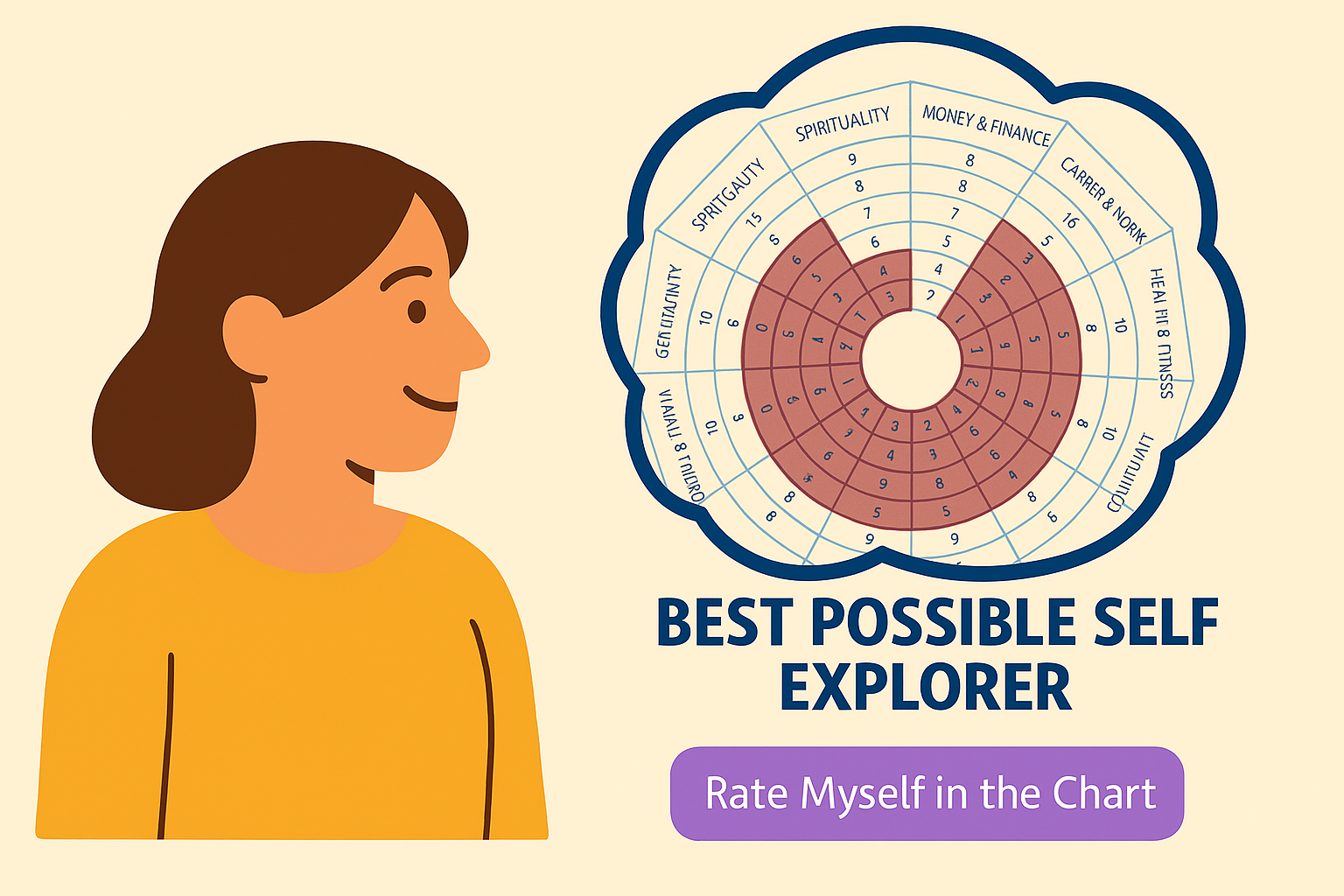
Sacred texts, relationship tools, and daily practices for wellbeing. Each one a grammar of meaning.
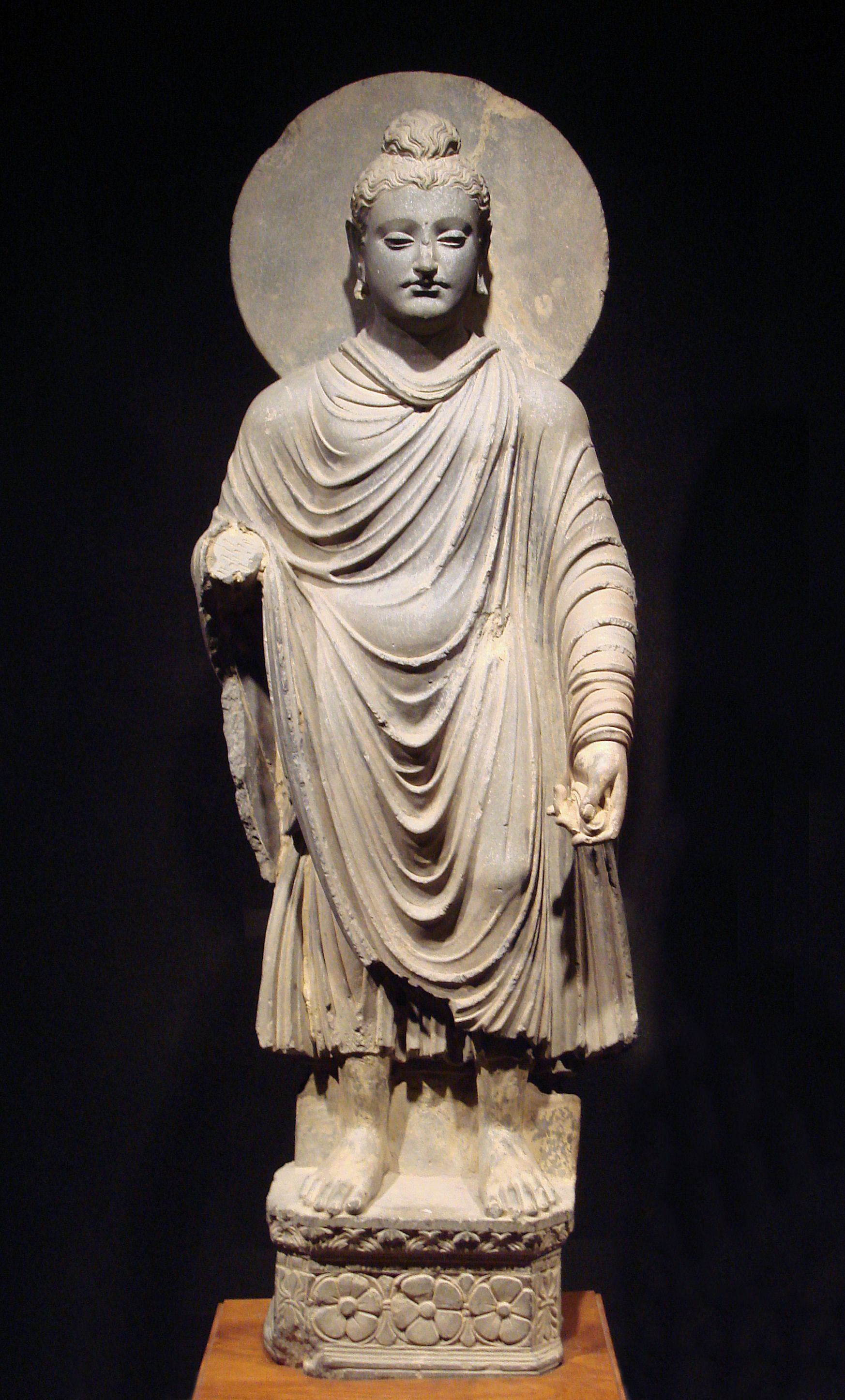
Dhammapada, Tao Te Ching, Bhagavad Gita, Aurelius — side by side.
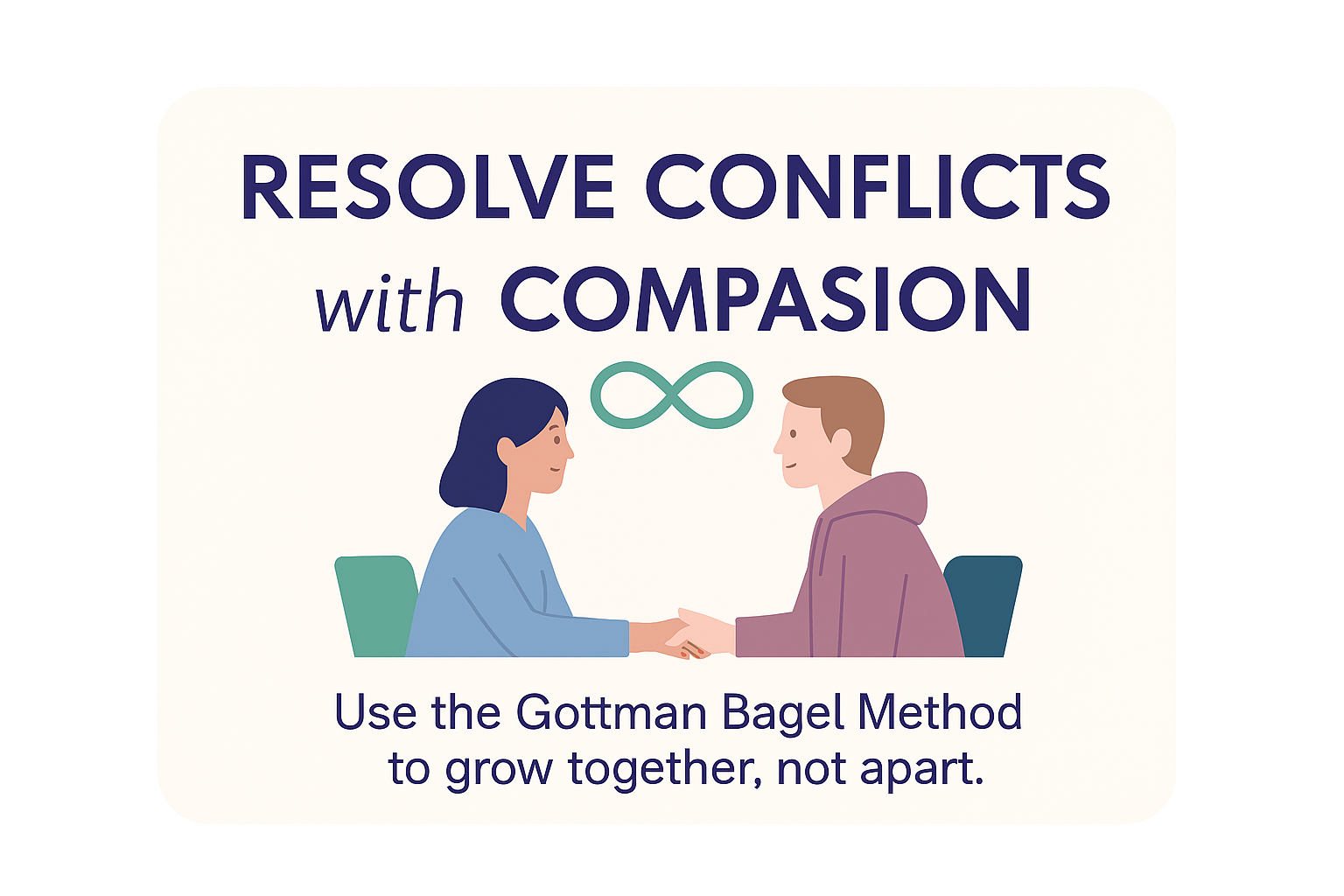
Evidence-based tools for conflict, connection, and the give-and-take of love.
Simple, research-backed practices for daily wellbeing. 15 minutes or less.
Curated playlists, chapter books, folk tales, bedtime mythology from every continent. Vetted by parents, not algorithms. No ads, no tracking, no auto-play. See also: Parenting Resources
Art, music, science, sleep, spirituality — curated for shared screen time.
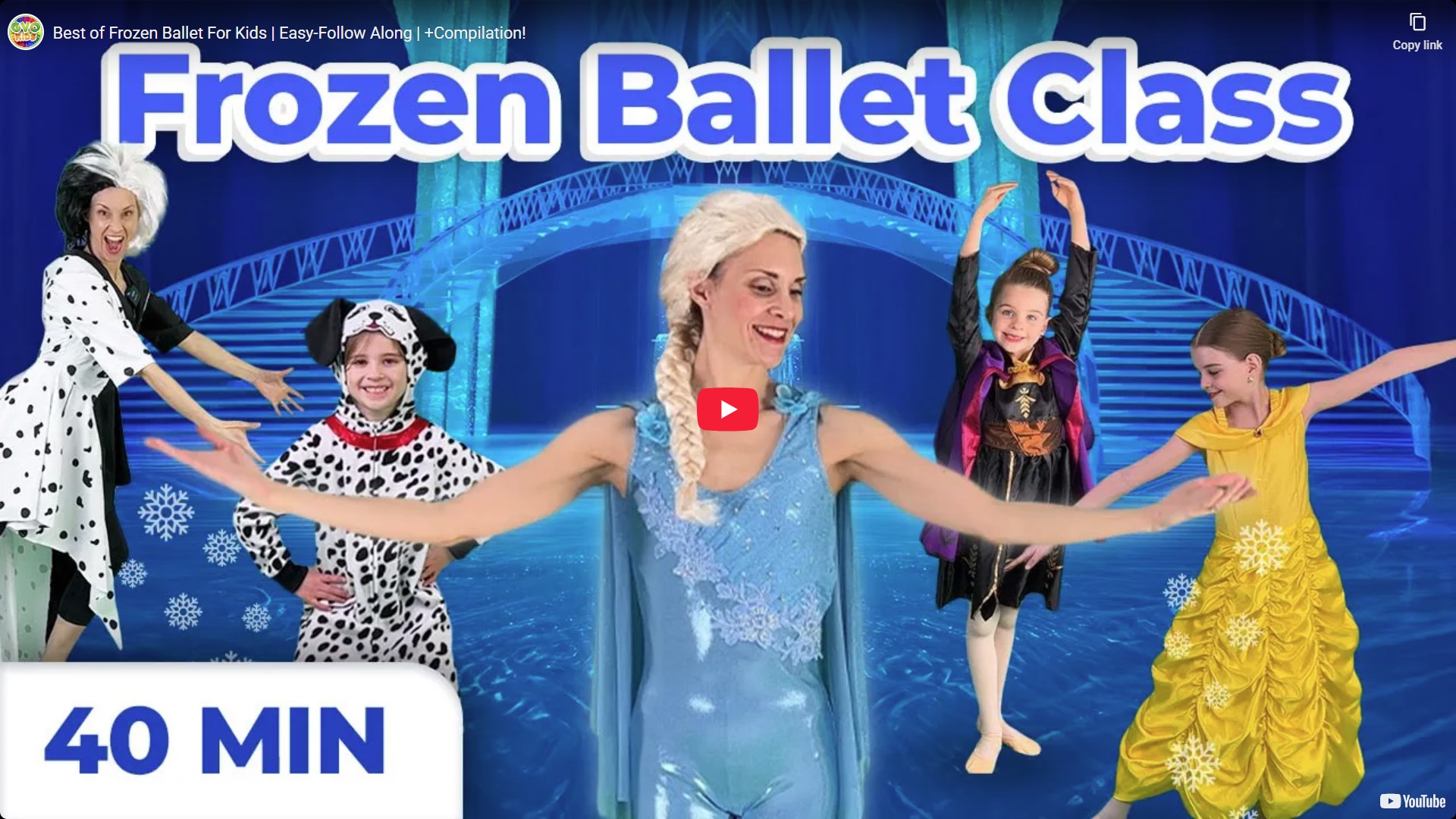
Calm, child-friendly ballet with exercises and imaginative movement.
A Focus mode viewer. Mister Rogers, Daniel Tiger, MINUSCULE — calm and intentional.
Fork any grammar to make it yours. Share it back to grow the commons.
When recursiveness turns public
Studies, courses, and a personal channel
The studies in long form — patterns, spirals, visions, audiobooks, the book manuscripts in progress. Each item links to the analogous course where applicable.
Open the grammar →
The four learning paths as items — Getting Started, Vibe Coding, Vibe Writing, Creative AI. Skills called out as hashtags.
Open the grammar →
The practitioner's personal channel — what PlayfulProcess curates. Star it to feature this channel inside your own.
Open the channel →
More about who built this and on what standard: About.
Free courses that teach you real skills — and give you something to share when you're done.
Build 3 working AI journaling tools with total privacy. Learn prompt engineering and web publishing.
Vibe Coding 101 · 60 min →
Create illustrated audiobooks with Claude Code, ElevenLabs, and LibriVox. Voice selection, chapter narration, MP3 assembly.
Vibe Coding 102 · 120 min →
Write and produce family songs using Suno AI. Turn milestones, inside jokes, and bedtime rituals into music your kids will remember.
Meaningful Songs · 90 min →